
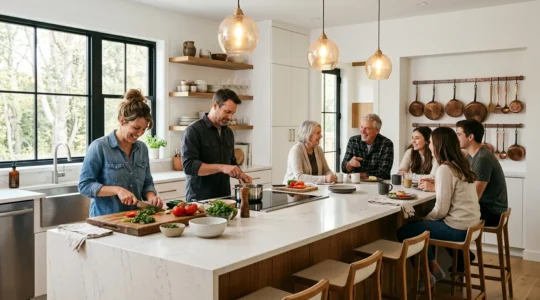
Contrary to popular belief, the best kitchen island isn’t the biggest one, but the one designed with social choreography in mind, prioritizing human connection over sheer size. The most social appliance configuration (sink vs. cooktop) is the one that best…
Read more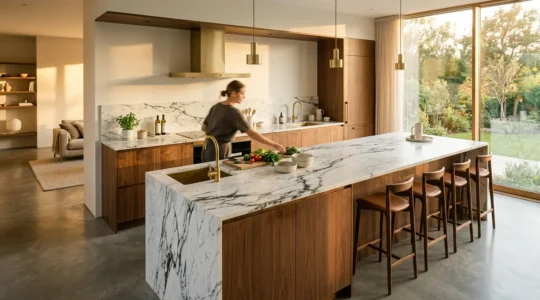
The rigid “work triangle” is no longer the key to an efficient kitchen; it has been replaced by the more flexible concept of “work zones.” Modern kitchens have become social hubs, creating traffic patterns the old triangle model cannot handle….
Read more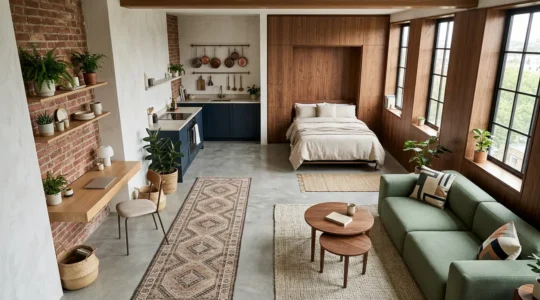
In summary: Effective studio living is not about static division, but about dynamic, daily transformation of the entire space. Maximizing vertical height and using furniture that completely disappears (like a Murphy bed) are the keys to reclaiming floor space. Create…
Read more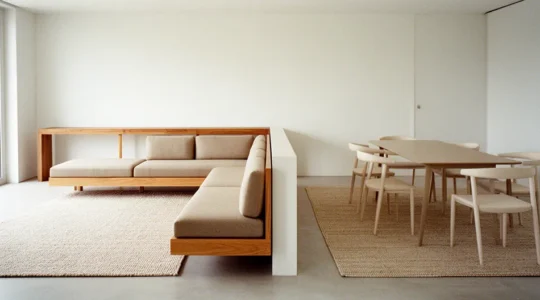
In summary: Defining zones in an open-concept space is about creating psychological boundaries, not physical ones. Use area rugs to anchor furniture and create “invisible walls,” establishing clear functional zones. Master lighting layers and dimmers to visually “turn off” areas…
Read more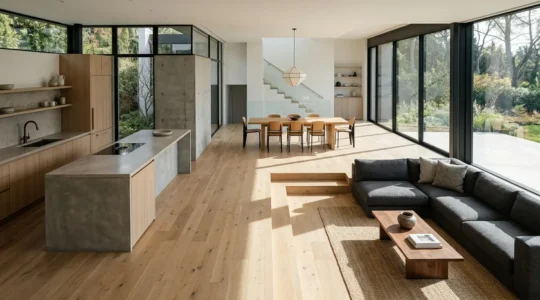
A truly functional floor plan is not about demolition; it is a precisely choreographed script for your daily life. Analyze movement patterns and daily routines before considering any layout changes. Prioritize structural honesty and psychological comfort over the simplistic trend…
Read more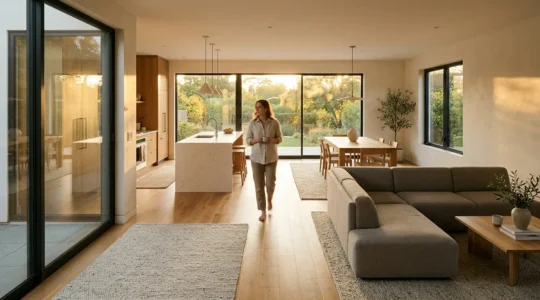
In summary: Your home’s constant traffic jams are not due to lack of space, but poor “kinetic ergonomics”—the science of movement in a confined area. The solution is to stop guessing and start measuring: identify invisible “desire lines,” maintain specific…
Read more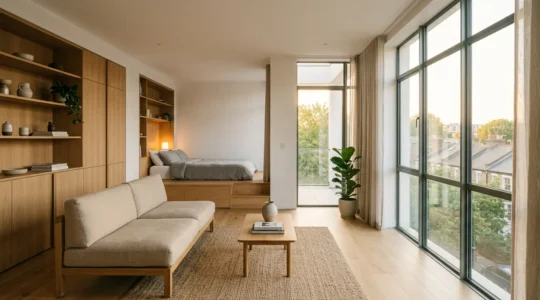
The biggest mistake in furnishing a small apartment is using small furniture. Properly-scaled ‘hero’ pieces reduce visual clutter and define functional zones more effectively than multiple small items. Prioritizing clear traffic flow and claiming vertical ‘air rights’ for storage yields…
Read more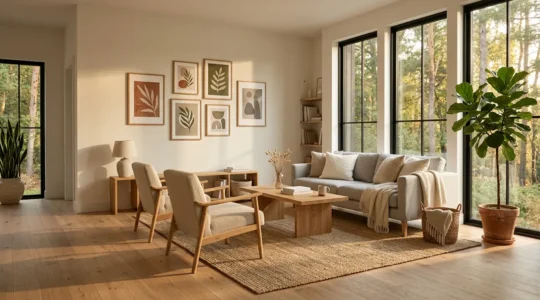
In summary: Your home environment directly impacts your stress levels by influencing the hormone cortisol. Moving beyond generic decor involves understanding the psychological “why” behind design choices. Key principles include reducing cognitive load through decluttering, creating cohesive flow, and personalizing…
Read more