
Choosing a decorating style is much like selecting a language for your home to speak. Every furniture piece, wall finish, and texture you introduce becomes part of a conversation—and when elements share a common vocabulary, spaces feel cohesive, intentional, and deeply personal. Without this foundation, even the most expensive furnishings can look like random objects competing for attention.
The challenge many homeowners face isn’t a lack of taste—it’s the overwhelming number of aesthetic directions available. Should you embrace the pared-back elegance of Scandinavian design? The cozy authenticity of modern farmhouse? Or the sleek confidence of contemporary interiors? Each path offers distinct emotional experiences, practical requirements, and common pitfalls that can derail your vision if left unaddressed.
This resource breaks down the most influential decorating styles shaping interiors today. You’ll understand not just what defines each approach, but why certain combinations work, which mistakes dilute their impact, and how to adapt principles to your unique living situation. Consider this your foundation before diving deeper into specific techniques and room-by-room applications.
Interior design newcomers often make a revealing mistake: they shop for items they love in isolation. A stunning velvet armchair here, an industrial pendant light there, a vintage rug from a weekend market. Each piece is beautiful alone, yet together they create visual chaos rather than harmony.
Your decorating style functions as an invisible framework that guides every decision. Think of it like a musical genre—jazz, classical, and rock all use instruments, but their rules about rhythm, structure, and improvisation differ dramatically. A saxophone solo that soars in jazz might feel jarring in a Bach concerto.
The practical benefits of committing to a style include:
This doesn’t mean rigid adherence—the most compelling interiors often blend elements from different styles. But understanding the rules first gives you the confidence to break them purposefully rather than accidentally.
Few design movements have demonstrated such enduring global influence as Scandinavian minimalism. Born from Nordic countries where harsh winters demand functional, light-filled interiors, this style balances restraint with remarkable warmth. Its longevity proves that good design transcends trend cycles.
Scandinavian design rests on three pillars: function, light, and hygge (the Danish concept of cozy contentment). Every object must earn its place through usefulness or genuine emotional value. Clutter isn’t just visually discouraged—it’s philosophically rejected.
Natural light receives almost sacred treatment. Window treatments remain minimal, walls stay predominantly white or pale neutral, and reflective surfaces bounce illumination deep into rooms. This approach originated from practical necessity in regions with limited winter daylight.
While often grouped together, subtle differences exist between Nordic variations. Danish design tends toward warmer wood tones and softer curves, emphasizing tactile comfort and organic shapes. Swedish interiors often lean slightly cooler, with more pronounced contrast between white backgrounds and black or graphic accents.
Your lifestyle preferences might align more naturally with one approach. Those who prioritize cocooning comfort typically gravitate toward Danish warmth, while those who appreciate crisp graphic clarity often prefer Swedish restraint.
The most common error transforms Scandinavian-inspired spaces into sterile environments resembling hospital corridors. This happens when homeowners focus exclusively on white walls and minimal furniture without incorporating the texture and warmth that make Nordic homes actually livable.
The solution involves layering at least three different textures—perhaps a nubby wool throw, a smooth leather cushion, and a woven jute rug. These tactile variations create visual interest without introducing color complexity or clutter.
Modern farmhouse style emerged from a desire to capture pastoral authenticity without sacrificing contemporary functionality. It speaks to those who want their homes to feel rooted and welcoming, with materials that tell stories of craftsmanship and natural beauty.
A persistent myth suggests authentic farmhouse style requires an actual rural property. In reality, the aesthetic translates beautifully to suburban homes and urban apartments. The key lies in understanding which elements carry the style’s essence.
Focus on these foundational components:
Wall treatments often become defining features in farmhouse interiors. Shiplap offers the iconic horizontal plank look with relatively straightforward installation. However, well-executed plaster walls provide timeless elegance and superior durability, particularly in high-traffic areas.
For raw wood elements, the challenge involves introducing enough warmth without overwhelming the space. The rule of thirds helps here: limit prominent wood features to approximately one-third of your visual field in any given sightline.
Modern farmhouse’s popularity has spawned mass-produced imitations that strip the style of authenticity. Generic typography signs, overly distressed furniture with artificial aging, and excessive buffalo check patterns signal trend-following rather than genuine aesthetic commitment.
When transitioning from traditional to modern farmhouse, approach updates in this sequence:
Contemporary style presents a paradox: it aims to feel current and fresh while avoiding elements that will appear dated within years. This requires distinguishing between enduring modern principles and fleeting micro-trends that saturate social media feeds.
Micro-trends typically share revealing characteristics. They photograph well but offer limited real-world functionality. They appear suddenly across multiple influencer accounts simultaneously. And they often involve novelty shapes or unusual material combinations that sacrifice practicality for Instagram appeal.
Kitchen features offer instructive examples. Waterfall countertops, integrated appliances, and quality hardware consistently add resale value across market cycles. Conversely, extremely bold backsplash patterns or highly specific cabinet colors often trigger buyer hesitation within years.
Contemporary interiors thrive on intentional material juxtaposition. The pairing of concrete and brass exemplifies this principle—industrial rawness against refined warmth, matte against reflective, cool against warm. These contrasts create visual interest without requiring pattern or color complexity.
Successful contemporary spaces typically limit their material palette to four or five primary elements, using contrast rather than variety to generate dynamism.
Contemporary design fundamentally rejects visible clutter. This isn’t merely aesthetic preference—it’s structural requirement. Without adequate concealed storage solutions, contemporary spaces cannot maintain their essential character through daily use.
Before committing to contemporary style, honestly assess your storage needs. If your lifestyle generates significant visible items (children’s toys, craft supplies, extensive collections), you’ll need to either invest heavily in custom cabinetry or consider styles more forgiving of displayed objects.
The most sophisticated design scheme fails if it conflicts with how you genuinely live. A family with young children and pets might struggle to maintain the pristine surfaces contemporary design demands. Someone who finds bare walls anxiety-inducing may never feel comfortable in minimalist Scandinavian spaces.
Consider these practical questions:
Blending elements from multiple styles works beautifully when done intentionally. A Scandinavian foundation with farmhouse texture, or contemporary bones with warm Danish accents—these combinations feel personal rather than confused when you understand the principles guiding each tradition.
Your decorating style should ultimately feel like an extension of your personality rather than a costume your home wears. Use the frameworks explored here as starting points, then adapt them to create spaces that genuinely support how you want to live.
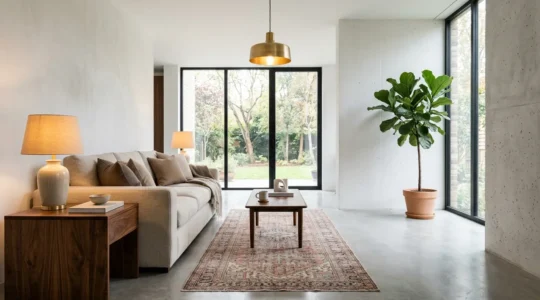
The key to a timeless contemporary home isn’t avoiding trends, but treating your design choices as a strategic investment portfolio. Prioritize foundational “assets” like quality materials and smart layouts over volatile, fast-fashion “micro-trends”. Focus on features with proven resale value…
Read more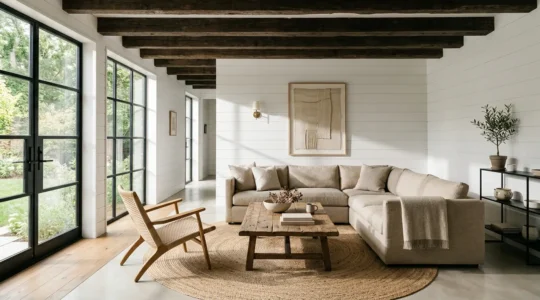
Achieving true modern farmhouse warmth isn’t about collecting rustic items; it’s about creating a deliberate tension between raw texture and clean design. Architectural soul can be created in any home, you don’t need a historic barn to achieve the look….
Read more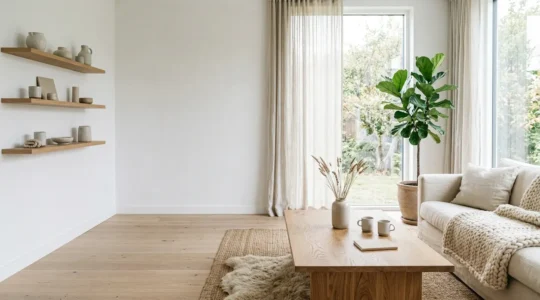
In summary: True Scandinavian warmth is a sensory strategy, not just adding cozy items. It focuses on psychological comfort. Embrace “Swedish Death Cleaning” to mindfully declutter, keeping only what brings joy or has purpose. Avoid the “white box” sterile feel…
Read more