
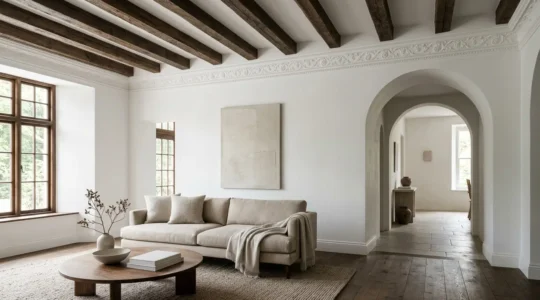
Walk into any period home, and you will immediately sense what sets it apart from modern construction: the intricate crown moldings framing the ceilings, the graceful arches connecting rooms, or the exposed wooden beams that tell stories of craftsmanship from another era. These architectural features are far more than decorative afterthoughts—they represent the very DNA of your home’s character.
Yet many homeowners find themselves uncertain about how to handle these distinctive elements. Should you paint those ornate cornices or leave them as they are? Is it worth investing in restoration, or would removal simplify your renovation plans? These questions deserve thoughtful answers, because the decisions you make today will shape how your home looks, feels, and performs on the market for decades to come.
This resource explores everything you need to know about identifying, preserving, restoring, and showcasing the architectural features that make your home unique. Whether you are dealing with Victorian plasterwork, Arts and Crafts woodwork, or mid-century modern details, you will find practical guidance to help you make confident decisions.
Think of architectural features as your home’s fingerprints—unique identifiers that distinguish it from every other property on the street. While two houses might share identical floor plans, original features like decorative ceiling roses, carved door surrounds, or period fireplaces create an irreplaceable sense of authenticity.
Real estate professionals consistently report that homes retaining original architectural details command premium prices compared to similar properties where these elements have been stripped away. Research from property valuation experts suggests that period features can add anywhere from 5% to 25% to a home’s value, depending on their condition and rarity.
Consider this scenario: two identical Victorian townhouses sit side by side. One has retained its original cornices, ceiling medallions, and hardwood trim. The other underwent aggressive modernization that removed these elements. Buyers consistently show stronger interest in the preserved home, often willing to pay significantly more despite both properties offering the same square footage.
Beyond financial considerations, architectural features contribute something that cannot be easily quantified: soul. They connect us to the past, to the craftspeople who shaped them by hand, and to the generations of families who lived beneath these same moldings and passed through these same archways.
Removing original features is often described by restoration specialists as an irreversible decision. Unlike paint colors or furniture choices, once a plaster cornice is demolished or an original fireplace mantel is discarded, that piece of history cannot be recreated at any cost.
Understanding what you have is the first step toward making informed decisions about preservation and restoration. Here are the most common architectural elements found in period homes:
Whether supporting the ceiling of a cottage or spanning the great room of a barn conversion, exposed beams add warmth, texture, and visual weight to interior spaces. Original beams may show centuries of wear, including tool marks, wood grain patterns, and natural aging that cannot be replicated.
Crown moldings at ceiling junctions, baseboards along floor edges, and decorative trim around windows and doors all fall into this category. Plaster cornices in particular represent significant artistic achievement—some feature elaborate botanical motifs, geometric patterns, or classical designs that required highly skilled craftsmen to execute.
Many older homes have accumulated multiple paint layers on these features, sometimes obscuring fine details beneath thick coatings. Careful restoration can reveal stunning original craftsmanship hidden for decades.
The transition between rooms offers tremendous opportunity for architectural expression. Rounded arches evoke Mediterranean or Romanesque influences, while pointed Gothic arches suggest Victorian ecclesiastical style. Even simple rectangular openings gain elegance through carefully proportioned surrounds and pediments.
These elements guide the eye through your home, creating visual rhythm and establishing the hierarchy between public and private spaces.
Restoring architectural features requires patience, appropriate techniques, and often professional guidance. Rushing the process or using improper methods can cause irreversible damage.
Before touching any original feature, conduct a thorough assessment. Document the current condition with photographs, note any damage or previous repairs, and research the historical context of your home’s architectural style. This groundwork helps you make informed decisions about restoration approaches.
Key questions to consider during assessment:
One of the most common renovation mistakes is addressing features in the wrong sequence. Wall decoration, in particular, should come after architectural restoration is complete—not before.
Following a logical order protects your investment and prevents rework:
Plaster cornices that have been painted ten or more times present particular challenges. Each layer adds thickness that obscures original detail, and removal must proceed carefully to avoid damaging the underlying plaster.
Professional conservators often use a combination of techniques including chemical paint strippers formulated for architectural use, gentle heat application, and meticulous hand scraping with specialized tools. Patience is essential—rushing this process almost always results in damage.
Once your architectural features are restored, decorating choices determine how prominently they feature in your overall design scheme.
Perhaps no decorating decision generates more discussion than whether to paint trim work white or use contrasting colors. Both approaches have merit, and the best choice depends on your specific goals.
White or light trim creates a classic, timeless look that:
Contrast or bold trim colors make a stronger statement by:
For period homes specifically, researching historically appropriate color palettes can guide your choices while still allowing personal expression.
Strategic lighting transforms how architectural features appear. Uplighting beneath cornices creates dramatic shadows that emphasize dimensional details. Picture lights or accent fixtures can draw attention to specific architectural elements like niches or decorative panels.
Furniture placement also matters—positioning key pieces to frame archways or leaving sightlines open to appreciate ceiling details helps visitors notice and appreciate your home’s architectural character.
Understanding common errors helps you avoid decisions that might diminish your home’s appeal and value.
The most significant mistake is permanent removal of original features. Once a ceiling rose is chipped away or built-in cabinetry is demolished, no amount of money can restore what was lost. Even features that seem damaged or unfashionable often merit preservation—tastes change, and what seems outdated today frequently becomes highly desirable tomorrow.
Other common errors include:
When in doubt, seek advice from heritage architects, conservation officers, or specialist restoration contractors who understand the value of working with original features rather than against them.
Whether you are just beginning to appreciate the architectural heritage of your home or actively planning a restoration project, the investment of time and resources into preserving these irreplaceable elements pays dividends in beauty, character, and long-term value. Each decision you make—from paint colors to restoration techniques—contributes to the ongoing story of your home.
Updating a period home without erasing its soul is the primary challenge for any custodian; the key lies in treating restoration as an act of stewardship, not just decoration. Original features are not just aesthetic; they represent a quantifiable financial…
Read more